
If you’ve ever shopped for a gold ring or necklace and found yourself staring at “10K,” “14K,” and “18K” like they’re written in a foreign language, you’re not alone. Even worse, most jewelry stores don’t explain it well. They either assume you already know, or they just steer you toward whatever’s more expensive. But which is the best gold for everyday wear?
We’ve been answering this question for a long time. 99 years actually! Scott’s Custom Jewelers has been a family-owned shop since 1927 and now is in its fourth generation, so we’ve had this conversation with just about every kind of customer there is. Here’s how we explain it to our customers.
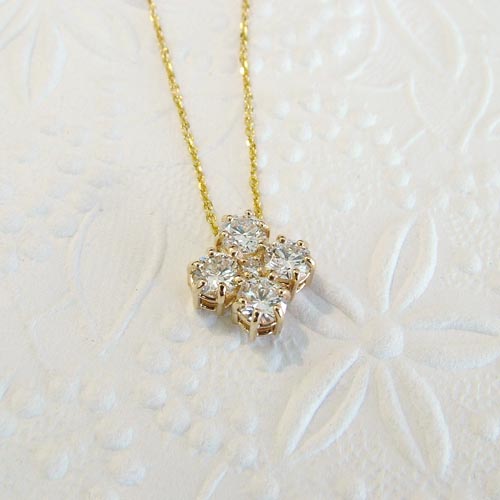
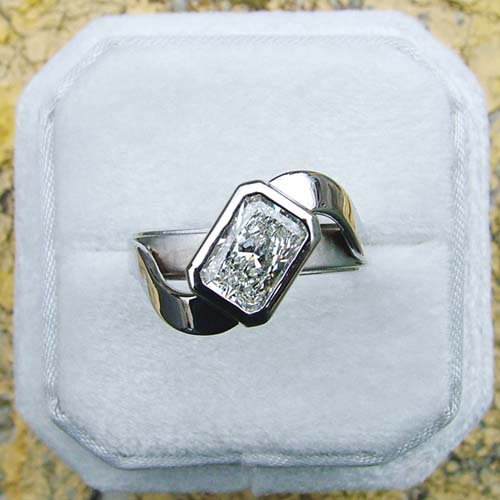
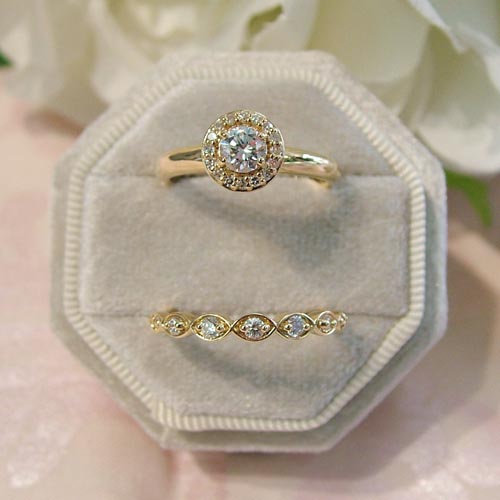
What Does the “K” Even Mean?
The “K” stands for karat, and it measures how much pure gold is actually in the piece. And to add a little more confusion into the jewelry mix, “C” means carat and pertains to the weight of the gemstone. Crazy, huh!
Pure gold is 24K, meaning 24 out of 24 parts are gold. But here’s the thing: pure gold is soft. Like, really soft. Think butter! It bends, scratches, and dents easily, which makes it pretty impractical for jewelry you wear every day. So jewelers mix it with other metals like copper, silver, zinc, or palladium to make it stronger, and to change it’s color from yellow to white, rose or even green. That’s where 10K, 14K, and 18K come in.
Here’s what that actually looks like:
- 10K gold = 41.7% pure gold
- 14K gold = 58.3% pure gold
- 18K gold = 75% pure gold
The rest is alloy metals. The more alloy, the more affordable the piece because it contains less gold. The more gold, the richer the color and the gentler it is on sensitive skin, but also the softer and pricier it gets.
These aren’t random ratios either. Gold karat mixtures are actually regulated by the Federal Trade Commission, and have to not only meet these standards, but be properly stamped as 10k, 14k or 18k.
10K Gold: The Workhorse
10K gold is the most budget-friendly. It’s the standard you’ll see at a lot of big box retailers and online stores because it keeps costs down without looking cheap, at least not at first glance.
**The good:**It’s also a great option if you want a bigger or heavier piece without spending a fortune.
**The not-so-good:** Because it has more alloy metals mixed in, 10K gold is more likely to cause skin reactions, especially if you have a nickel sensitivity. 10K can also be brittle. Depending on the alloys mixed in with the gold, 10K jewelry can crack or break more easily. It also tends to look slightly less warm and rich in color compared to 14K or 18K. Over time, it can tarnish a bit faster too.
**Best for:** People on a budget.
14K Gold: The Sweet Spot
This is the most popular karat in the US, and honestly, for good reason. 14K gold hits a balance that most people actually want: it’s durable enough for daily wear, it looks great, and it won’t break the bank the way 18K does.
**The good:** At 58.3% gold, 14K is strong enough to hold up for years of everyday wear without needing constant maintenance. It’s also less likely to cause skin irritation than 10K, though it still contains alloy metals.
**The not-so-good:** It still contains alloy metals, so if you have a serious nickel allergy, you’ll want to ask what the specific alloy mix is before buying.
**Best for:** Engagement rings, wedding bands, everyday rings, earrings, necklaces you wear daily. Basically, this is the go-to for most people.
18K Gold: The Luxurious One
18K gold has 75% pure gold in it, which gives it that deeper, richer yellow color you see in high-end jewelry, but again, 18K gold can also be white or rose color, not just yellow. It’s the standard in a lot of European countries and in fine jewelry design.
**The good:** The yellow color is stunning. It also has fewer alloy metals, which makes it a better choice for people with sensitive skin or metal allergies. If you’ve had reactions to other gold jewelry, 18K is worth trying. It’s also hypoallergenic in white gold and rose gold versions more often than lower karats.
**The not-so-good:** It scratches more easily than 10K or 14K because it’s softer. If you wear rings while doing dishes, cooking, or working out, you’ll notice wear faster. It’s also noticeably more expensive.
**Best for:** Special occasion pieces, earrings, necklaces that don’t take as much physical abuse as rings, and anyone with metal sensitivities. Also a great pick if a rich yellow color matters to you.
Fun fact: At Scott’s since we cast everything on site, if you love the rich yellow color of 18K gold, we offer a 14K “extra yellow” gold – the same durability of 14K gold, but with special alloys that look like 18K yellow gold. And priced like 14K too!
What About White Gold and Rose Gold?
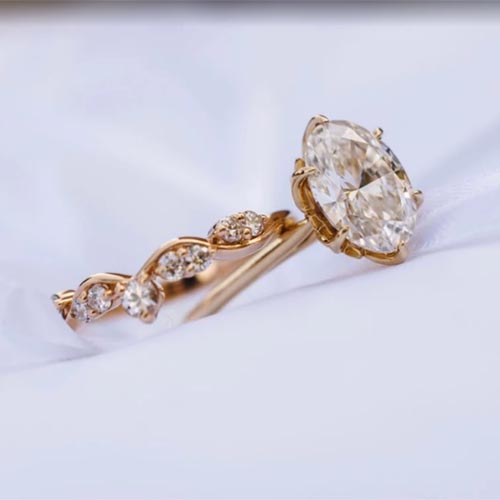
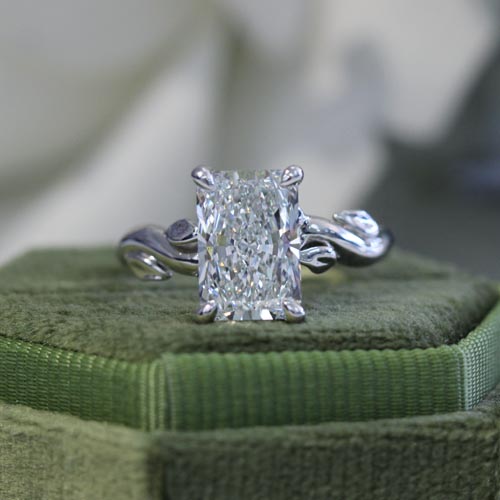
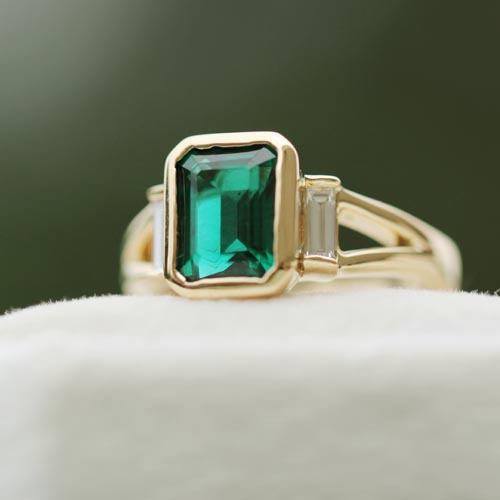
The karat system works the same way across all gold colors. 14K white gold is still 58.3% gold, it’s just alloyed with white metals like palladium or silver and usually coated with rhodium for that bright white finish. 18K rose gold is 75% gold, alloyed with copper for that pink hue.
So when you’re comparing white or rose gold options, the karat choice still matters for the same reasons: durability, price, and skin sensitivity.
One More Thing: Gold Prices Are High Right Now. Here’s How to Use That to Your Advantage.
Gold prices have climbed significantly in recent months, and that does affect what you’ll pay for new jewelry. But here’s something a lot of people don’t think about: if you have old gold jewelry sitting in a drawer that you never wear, it has real value right now and you can put it toward something new.
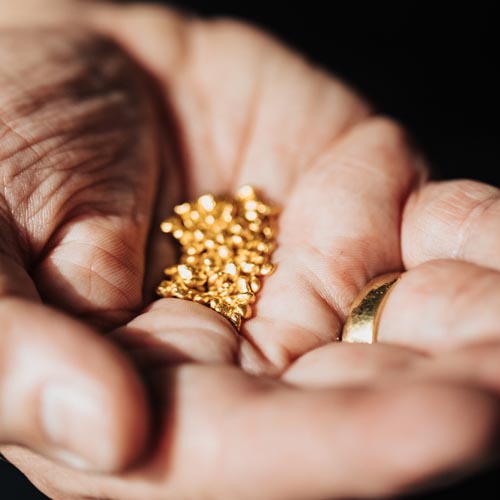
At Scott’s, we accept old gold and recycle it. We sent it to a refiner who sends us purified gold that we use in casting it right here in our shop, on-site, into brand new pieces. That means the necklace your grandmother left you that isn’t your style, or the men’s ring from 20 years ago that doesn’t fit anymore, can become a completely new piece of jewelry that you’ll actually wear.
It’s a practical way to offset the cost of new gold without just eating the current market price. And honestly, there’s something kind of meaningful about it too. Old gold doesn’t disappear, it just becomes something new.
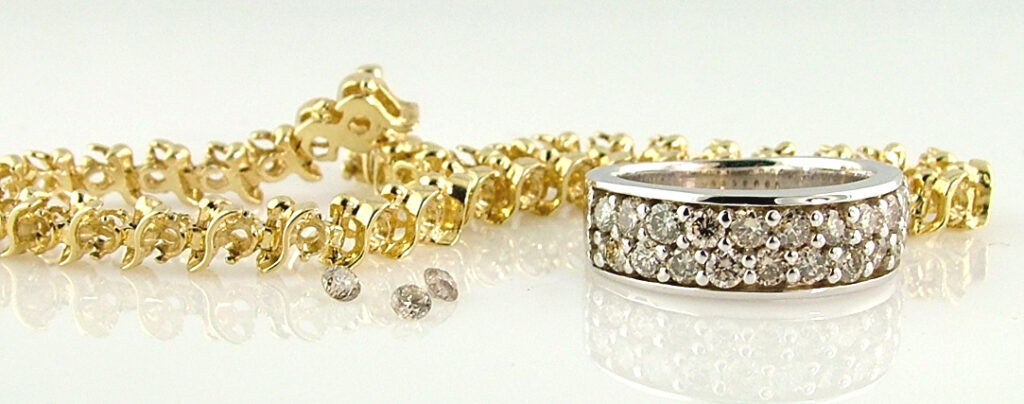
This also makes our process more sustainable than buying newly mined gold. We’ve been doing this since we started casting our own custom jewelry, and with where gold prices and environmental awareness both are right now, it’s worth knowing that’s an option.
If you’re curious what your old pieces might be worth toward something new, just bring them in. We’ll take a look.
Q: Is 14K or 18K gold better for an engagement ring?
A: It depends on the person’s lifestyle. 14K is better if they’re active, work with their hands, or are generally rough on jewelry. 18K is better if color richness and skin sensitivity are priorities, or if the ring won’t take a lot of physical abuse.
Q: Will 10K gold turn my finger green?
A: It can, especially if you have a sweat-prone skin type or a copper sensitivity. The higher the alloy content (like in 10K), the more likely a reaction. 18K is least likely to cause discoloration.
Q: Is 14K gold good quality?
A: Yes, absolutely. 14K is actually the most widely used karat in American fine jewelry. It’s not a “lesser” version of gold, it’s a practical, durable, beautiful choice that lasts for decades.
Q: Can I wear 14K gold in the shower?
A: Technically it won’t dissolve or immediately fall apart, but water, soap, and shampoo do dull gold over time and can weaken prong settings. Taking it off is the better habit.
Q: Why is 18K more expensive if it scratches easier?
A: Because the gold itself is worth more. You’re paying for a higher percentage of a precious metal. The trade-off is softness, but many people prefer 18K for pieces like earrings or pendants that don’t get as much friction.
Q: What karat gold is best if I have a nickel allergy?
A: 18K is your safest bet because there’s less room for alloy metals in the mix. But always ask the jeweler what specific alloys they use, because not all 18K gold is made the same way.
Q: Does higher karat gold last longer?
A: Higher karat gold is purer but softer, so it actually scratches and dents more easily. Lower karat gold (like 10K or 14K) lasts longer in terms of physical wear resistance because of the stronger alloy metals mixed in.
Q: Can I trade in old gold jewelry to put toward new pieces?
A: Yes, and with gold prices where they are right now, it’s actually a smart move. At Scott’s Custom Jewelers, you can trade in old gold towards the price of your new jewelry. It offsets the cost of your new piece and keeps old metal out of a drawer (or a landfill).
Q: Is recycled gold the same quality as newly mined gold?
A: Yes. Once gold is purified, it’s just gold. There’s no quality difference between recycled and newly mined gold at the same karat. The karat stamp tells you the gold content regardless of where the metal originated.
Q: How can I tell what karat my jewelry is?
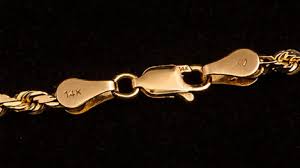
A: Look for a stamp on the inside of rings or on the clasp of chains. Common stamps include 417 (10K), 585 (14K), and 750 (18K). These are the European hallmark equivalents. Not sure? Bring it in and we’ll tell you.
So Which One Should You Buy?
Here’s the honest answer: for most people buying everyday jewelry, 14K is the right call. It lasts, it looks great, it won’t eat your budget alive, and it works for the majority of skin types. If budget is a real concern and you want something durable, 10K does the job. If you have sensitive skin, love rich color, or you’re buying something that won’t take much physical wear, 18K is worth the splurge.
There’s no objectively “best” karat. It just depends on your life.
And if gold prices are making you hesitate, remember that old jewelry sitting in a box has real value right now. Scott’s Custom Jewelers has been casting jewelry from recycled, purified gold for generations. It’s one of the better-kept secrets in jewelry buying, and it’s worth a conversation before you write off a new piece as out of reach.
Have a question about gold jewelry we didn’t cover? Drop it in the comments below, stop by the shop or schedule a meeting (in person or Zoom) at the link below.