
Ever looked super close at a piece of gold jewelry and spotted what looks like a tiny pinhole, bubble, or rough patch under the shine? That’s called porosity, and if you’ve ever wondered why it happens (or worried it might happen to your custom ring), you’re in the right place.
We’ve been casting gold in-house for decades now, in fact Scott’s Custom Jewelers in in the four generations of the same family. So we’ve seen just about every casting hiccup there is, and we know exactly how to keep porosity out of your jewelry. Let’s break it down and tell you how to avoid it after you’ve gotten your new jewelry.
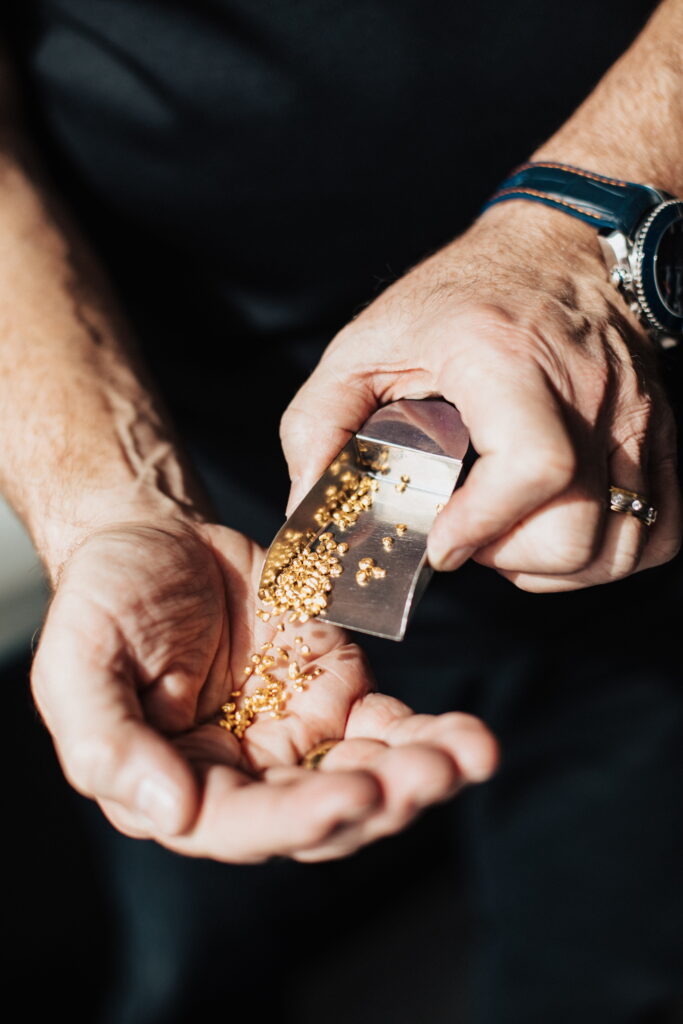
So What Actually Is Porosity in Gold Casting?
Porosity in gold jewelry is basically tiny voids or bubbles trapped inside the metal when it cools and hardens. Sometimes they’re microscopic and invisible to the eye. Other times they show up as little pits on the surface, weak spots that chip or wear oddly, or spots where polishing just won’t bring up a mirror shine no matter how hard you try.
Think of it like a loaf of bread that didn’t bake quite right. You cut into it and it’s full of holes from air pockets that got trapped inside instead of baking out evenly. Same idea, just with molten gold instead of batter (and a lot higher stakes when it’s going on someone’s hand for the rest of their life).
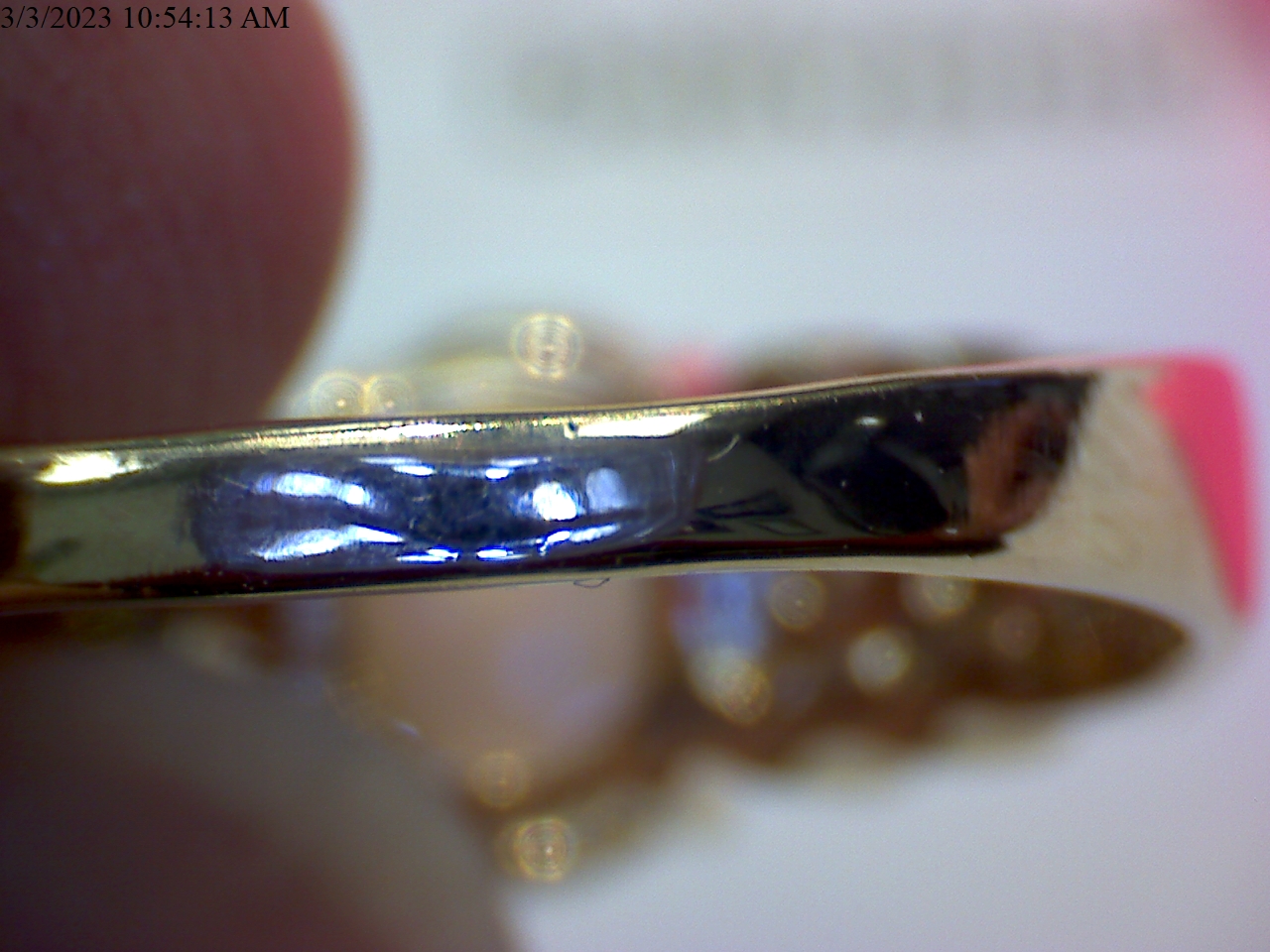
What Causes Porosity in Custom Gold Rings?
There’s no single culprit here. Porosity in gold jewelry is usually a combination of a few things going wrong at once:
Gas porosity. Molten gold naturally absorbs gases while it’s being melted. If it’s overheated or melted too fast, it soaks up more gas than it can release before it solidifies, and that gas gets trapped as tiny bubbles.
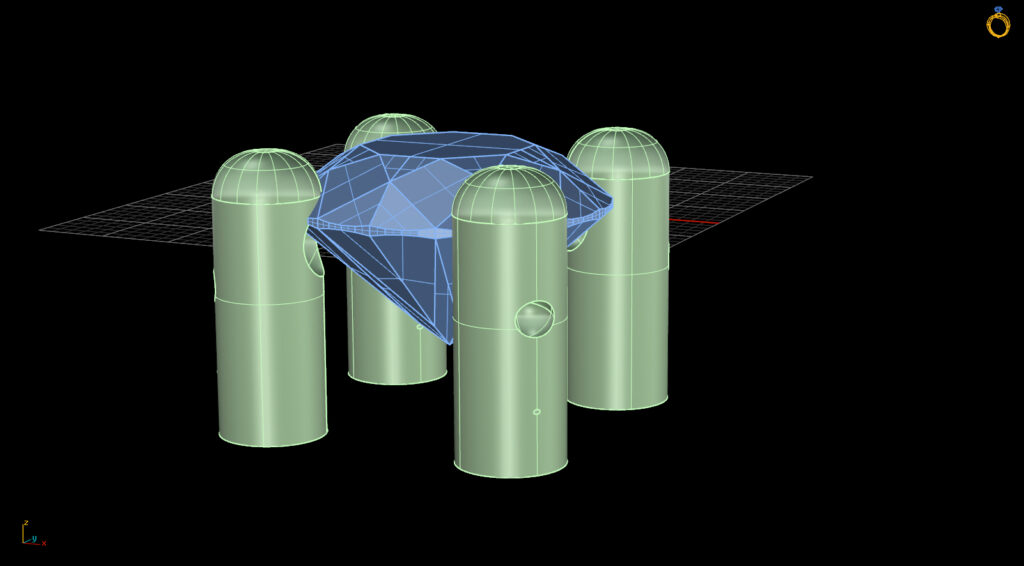
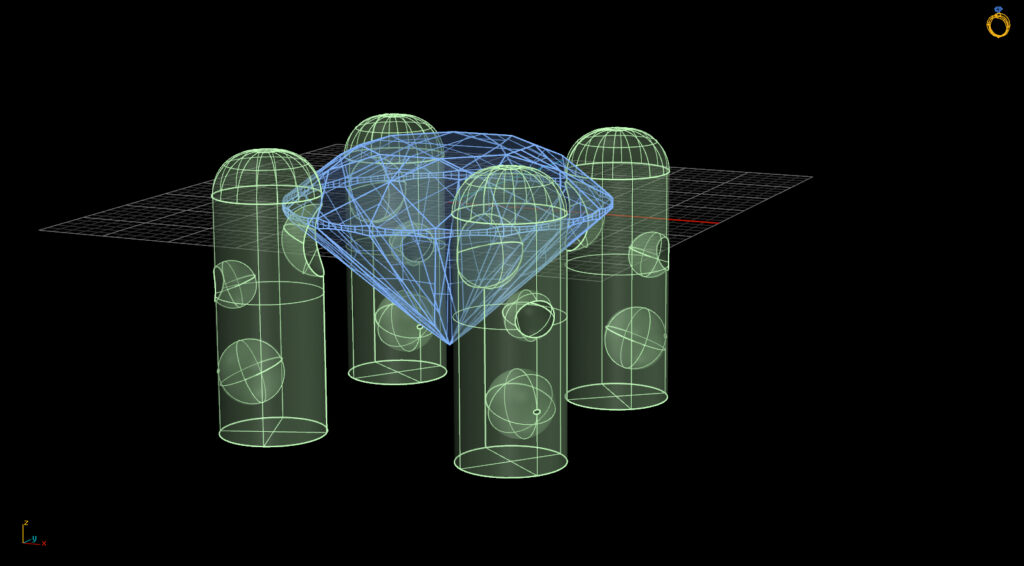
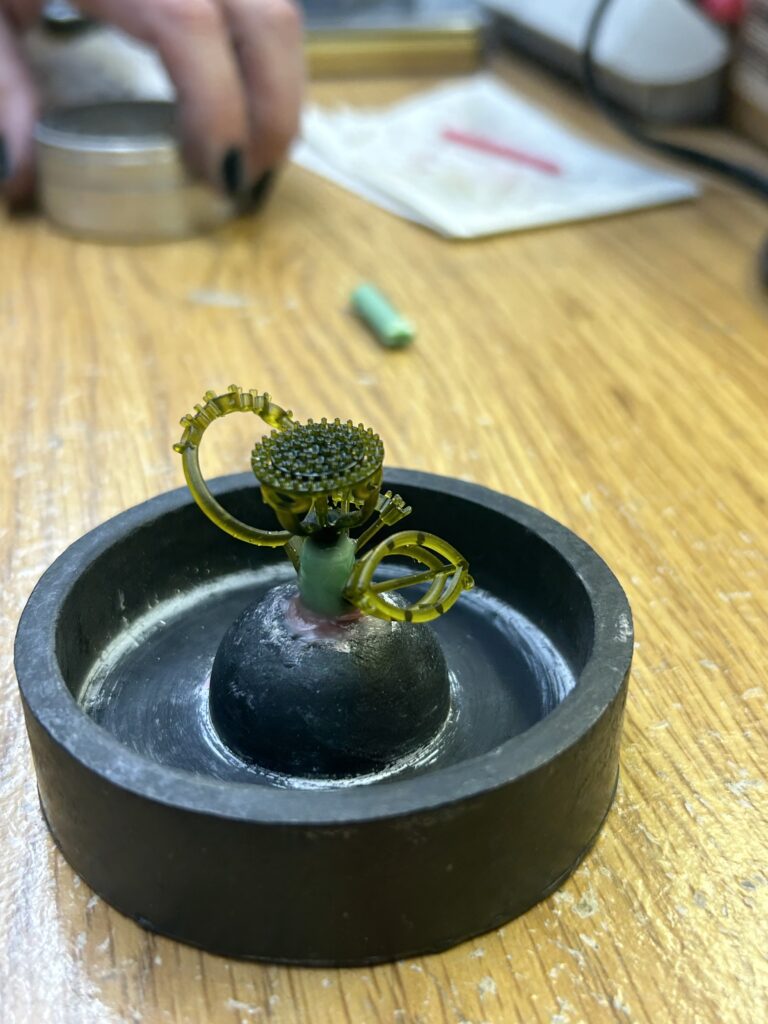
Shrinkage porosity. As gold cools, it shrinks. If the casting isn’t fed enough molten metal during that shrink (this comes down to how the sprues and gates are set up on the wax pattern), you end up with voids in the thicker parts of the design.
Poor investment or burnout technique. The plaster mold (“investment”) that holds the wax pattern has to be mixed, vacuumed, and burned out at exactly the right temperatures. Rush that process or get it a little wrong, and trapped air or moisture turns into porosity in the final piece.
Recycled or low-quality metal. Gold that’s been melted down over and over without being properly refined can carry impurities that make it more prone to gas absorption. This is a big one, and it’s why Scott’s only casts with purified, recycled gold in all of their pieces.
Inexperienced casting. Honestly? A lot of it comes down to who’s running the casting equipment and how many times they’ve done it. Casting gold correctly is part science, part craft, and it takes real years to master the timing, temperature, and feel of it.
Why Porosity In Gold Jewelry Actually Matters (It’s Not Just Cosmetic)
Porosity isn’t just a “might see a tiny dot under a loupe” issue. It can genuinely affect the life of your ring:
- Weak points. Porous areas are structurally weaker, which matters a lot for prongs holding your center stone or the shank that gets banged around every day.
- Resizing problems. When a jeweler goes to resize a ring, heat gets applied right at the shank. If that area is porous, it can pit, bubble, or even crack during the resize.
- Polishing won’t fix it. If porosity is deep enough, no amount of polishing will get you that flawless, mirror finish. You’ll always see it, especially on high-polish or mixed-finish designs.
- Long-term durability. Over years of wear, porous spots are where metal fatigue and breakage tend to start.
For an engagement ring or a piece you’re planning to wear for decades (or hand down someday), this is exactly the kind of thing that separates a ring that lasts a lifetime from one that needs constant repair.
How We Keep Porosity Out of Your Ring
This is where casting in-house, and having a trained staff really pays off. When your ring is designed, cast, and finished under one roof (instead of being outsourced to some casting house you’ll never meet) every step of the process gets the same level of care:
- We start with quality metal (we won’t cast our jewelry from your old pieces, but we will credit your for them!) and control exactly what goes into every melt.
- Our CAD and 3D-printed wax patterns are designed with proper sprue and gate placement from the start, so the metal flows and fills the way it’s supposed to. This is where our 99 years of jewelry experience pays off.
- We control our own investment, burnout, and casting temperatures – no guessing, no shortcuts, no “good enough.”
- Every casting gets inspected before it ever moves to polishing and setting, so if something’s not right, it gets caught early, not after your ring is finished.
Ninety-nine years in this business teaches you that the “invisible” steps are the ones that matter most. Anyone can make a ring shiny. Making sure it’s structurally sound underneath that shine is the actual craft, and it’s the part we take the most pride in.
Everyday Habits That Can Actually Cause Porosity
Here’s the part a lot of people don’t know: porosity in gold jewelry doesn’t only happen at the casting bench. It can happen years later, right on your finger, if your gold is exposed to the wrong thing at the wrong time. Chlorine is the big one. It reacts with the alloy metals mixed into your gold (that’s the silver, copper, or other metals blended in to make karat gold strong enough to wear every day), and that reaction can actually eat tiny holes right into the metal. A few habits worth building in to avoid it:
Take it off before you swim. Pool chlorine reacts with the alloys in your gold, and that reaction is what forms new porosity, not just exposes old pitting. Ocean water carries its own salt-driven corrosion risk too, so it’s best off for any swim, pool or sea. Plus, so many people lose their jewelry in water!
Skip the hot tub entirely. Chlorine or bromine plus heat is the worst combination for karat gold. The heat speeds up the chemical reaction with the alloy, so hot tubs can cause visible pitting faster than almost anything else your jewelry encounters.
Take rings off before cleaning products. Bleach and a lot of household cleaners contain chlorine compounds too, and they can cause the exact same reaction on contact. If you’re cleaning the house, take the rings off first.
Watch out for chlorinated hair and skin products. Some clarifying shampoos and pool-related skincare products contain chlorine or chlorine-releasing ingredients. Worth a glance at the label if you’re wearing your jewelry in the shower.
Get your jewelry professionally checked yearly. A jeweler can catch early pitting from chlorine exposure long before it compromises a prong or a shank, especially on pieces you wear daily and rarely take off.
The bottom line: porosity can come from two different directions: how a piece was cast originally, and what it’s exposed to while you wear it. Avoiding chlorine is genuinely one of the easiest ways to protect your gold for the long haul.
Thinking About a Custom Ring? Let’s Talk.
If you’re designing a custom engagement ring, restyling a family heirloom, or just want jewelry that’s actually built to last, come see the difference in-house casting makes. We’ll walk you through the whole process – no pressure, just an easy conversation about what you’re looking for.
👉 Book a free consultation and see your design come to life with a 3D preview before we ever cast a single ring.
Curious about our redesigning your jewelry? Take a look at our jewelry restyling services.